Bridging Technology and Music Education: What It Actually Looks Like in Practice
The phrase 'technology-enhanced music education' gets used a lot. It appears in curriculum documents, grant applications, and school strategic plans. But what does it actually look like when it works? Not in theory — in practice, in real classrooms, with real students who range from deeply musical to actively resistant? This article explores what genuine integration of technology into music education requires, drawing on the framework UNESCO has put forward for evaluating educational technology and what it means applied to music specifically.
The UNESCO Framework: Four Questions That Cut Through the Noise
UNESCO's framework for evaluating technology in education poses four questions. They're worth applying rigorously to music education technology, because the field has accumulated a lot of products that answer yes to the first question and struggle with the rest.
- Is it appropriate? Does the technology serve a genuine educational purpose, or is it technology for its own sake? In music, this means asking whether the tool develops musical understanding, not just generates musical output.
- Is it equitable? Does it require expensive hardware, high-bandwidth internet, or technical expertise that creates a two-tiered classroom? Technology that only works well for students with the newest devices or the fastest home internet fails this test.
- Is it scalable? Can it work across a school, a system, a country — or does it depend on one highly skilled teacher who makes it work through sheer effort? Sustainable technology integration cannot rely on heroic individual teachers.
- Is it sustainable? Not just financially, but pedagogically. Does using this technology build capacity and understanding over time, or does it create dependency? Does it get better as teachers and students understand it more deeply?
These aren't rhetorical questions. They're a genuinely useful filter, because they force a conversation about purpose rather than just enthusiasm.
Where Technology Integration Actually Fails in Music Classrooms
Most technology failures in music education aren't technology failures. They're implementation failures — and they tend to follow predictable patterns.
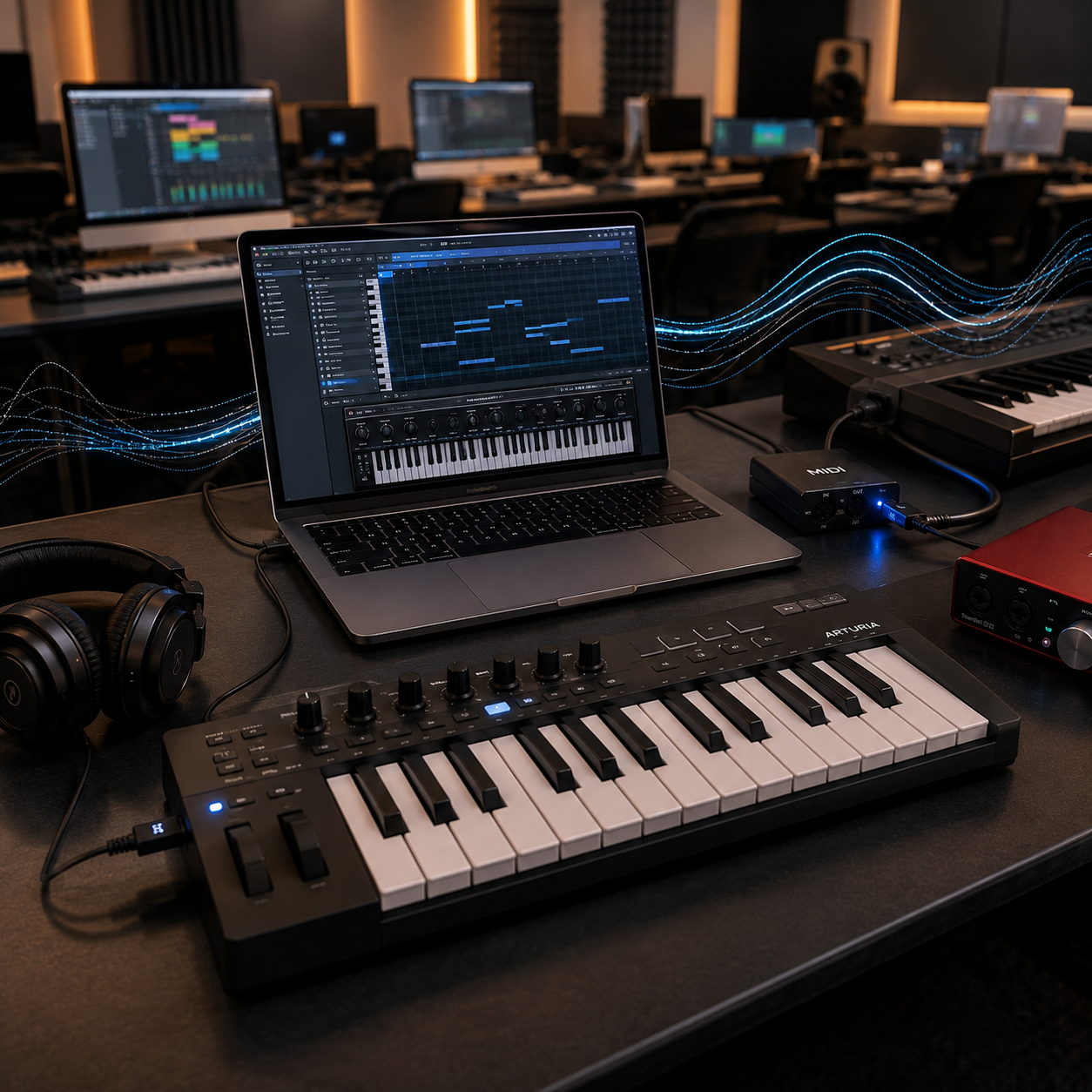
The most common failure mode is tools without pedagogy. A school buys a set of iPad music apps or a DAW licence, drops them into a classroom, and expects musical learning to follow. It doesn't. Tools need tasks, tasks need objectives, and objectives need to connect to a coherent view of what musical development looks like. Software is not a curriculum.
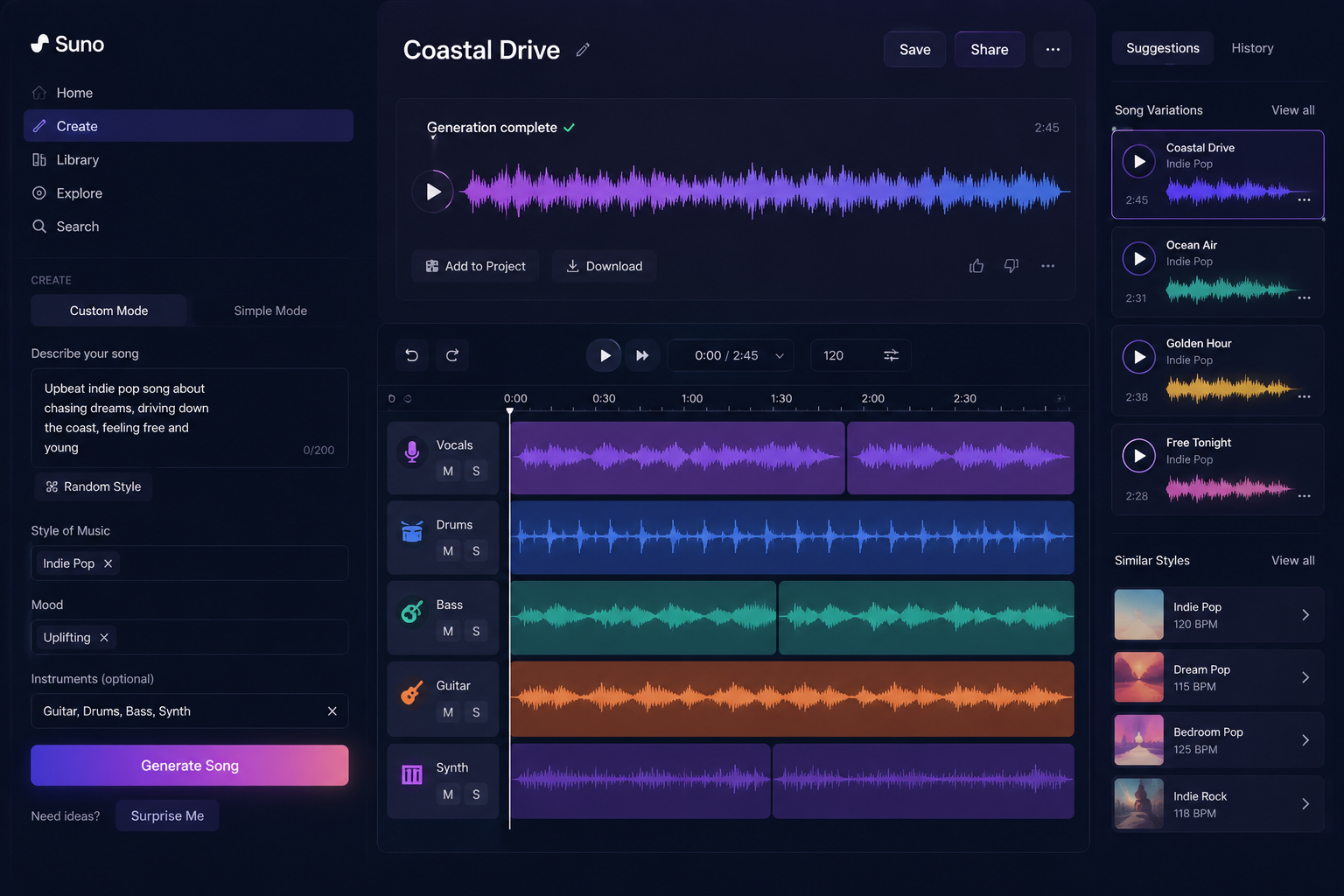
The second most common failure is technology that creates a performance of learning rather than learning itself. A student can produce a technically sophisticated-sounding track using loops and presets without making a single intentional musical decision. That's not composition — it's assembly. The distinction matters enormously for learning outcomes, but it's invisible unless the task design makes it visible.
Third: professional development that doesn't transfer. A teacher does a one-day workshop on a new music technology tool, feels inspired, tries it once, hits a problem in the classroom, and quietly abandons it. Without ongoing support and a community of practice, technology PD has a very short half-life.
What Genuine Integration Looks Like
When technology integration works in music education, a few things are consistently true.
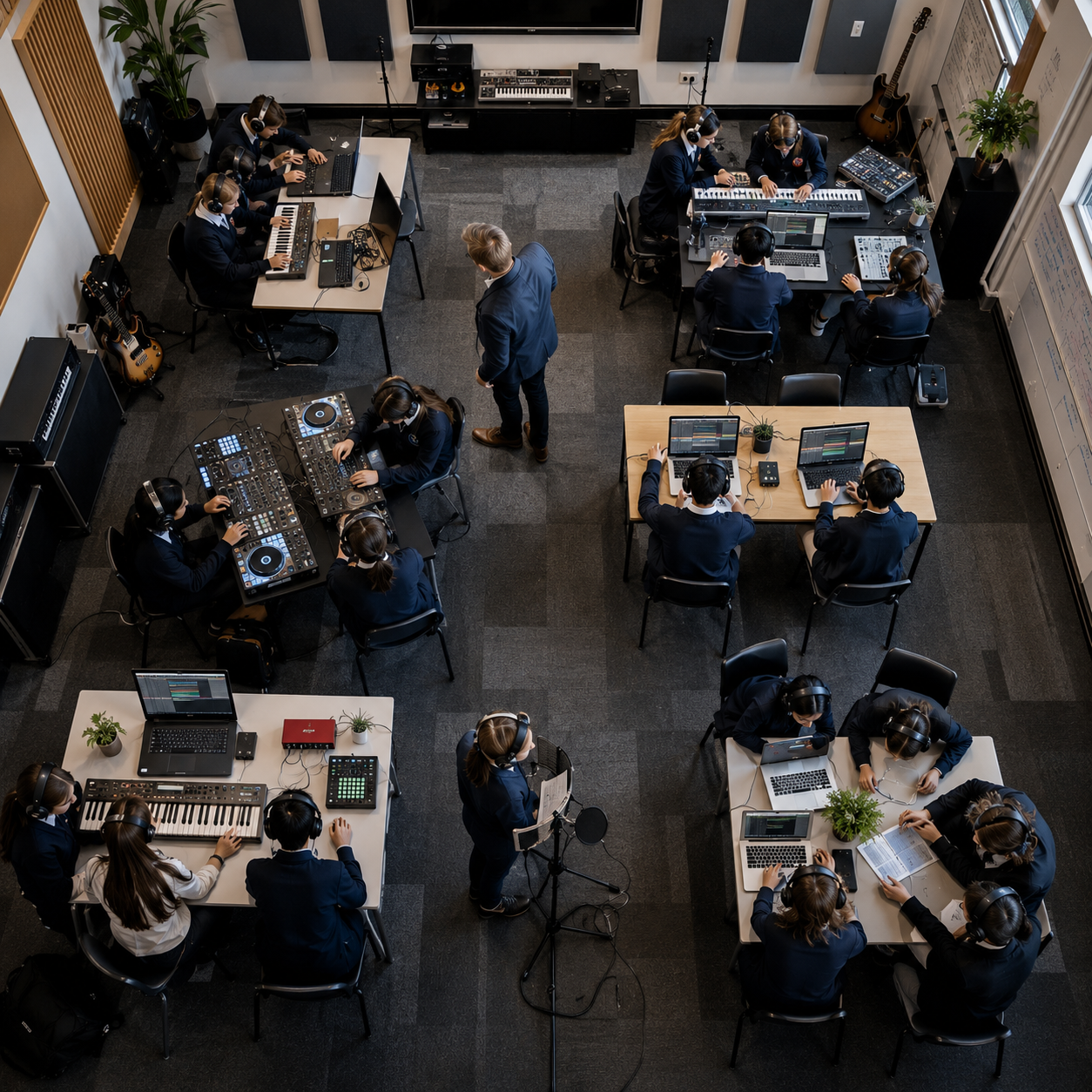
First, the technology is embedded in structured learning sequences, not used as a standalone activity. Students aren't just 'using GarageBand' — they're completing a composition task that has clear musical objectives, and GarageBand is the tool they're using to do it. The difference sounds subtle, but it changes everything about how students engage.
Second, the tasks require genuine musical decision-making. Every choice a student makes — this chord, this tempo, this instrument, this transition — should be a choice they can articulate and defend. If the software makes all the decisions, the student isn't learning music. They're learning software.
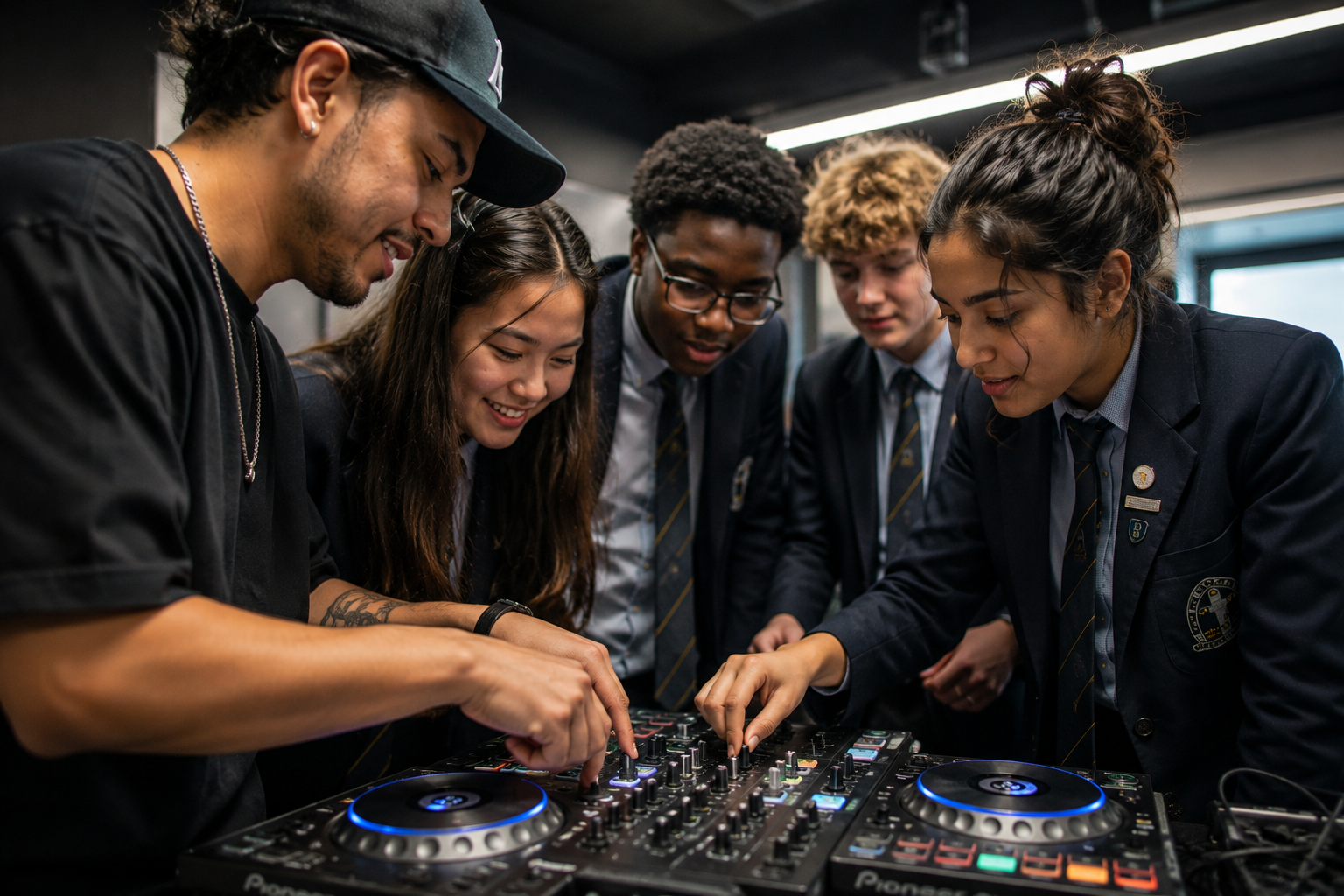
Third, the technology connects to a broader curriculum arc. A student who uses a DJ controller in week four should be building on concepts from weeks one to three and developing skills they'll apply in weeks five to eight. Technology used in isolation from a coherent curriculum sequence tends to produce isolated, shallow learning.
Fourth — and this is the one most often overlooked — the teacher understands the tool well enough to troubleshoot in real time. Students lose momentum quickly when technical problems stall a lesson. Adequate preparation time and technical support are not luxuries. They're prerequisites.
The Role of Purpose-Built Music Education Platforms
One of the reasons purpose-built music education platforms tend to outperform general music technology tools in classroom settings is that they've already done the curriculum work. When the scope and sequence, the pedagogical framing, the assessment tools, and the student resources are all built in — and built to align with curriculum standards — teachers can focus on teaching rather than on curriculum construction.
MusicEDU Suite was built around exactly this insight. The programmes — including Making Beats, Game Composer, and TrackFormers — are designed to embed technology within structured musical learning sequences, with explicit curriculum connections, teacher resources, and student-facing content that scales across a school without depending on a single expert teacher to make it work.
Building the Case From the Inside Out
One of the most effective things MusicEDU does — beyond the curriculum itself — is mentor music teachers in how to have the technology conversation with their own school leadership. Not with a glossy pitch or a wish list, but with a strategy that starts with what the school already has.
The approach is straightforward and it works: identify the technology and resources already in the building, use Suite to do more with them than anyone expected, and then make the results impossible to ignore. A student performing a DJ set in front of their peers. A Year 8 class producing game soundtracks that would not be out of place in an actual release. A teacher who used to spend their weekends building lesson plans spending that time coaching (or having a weekend!) instead.
These are the moments that change a principal's mind — not a budget proposal, but evidence that something real is happening. Once leadership can see the engagement, hear the music, and watch students take ownership of their learning, the conversation about expanding the programme becomes a different kind of conversation entirely. More resources follow results. Results follow from starting well with what you have. MusicEDU Suite is built to help you do exactly that — begin in the overtaking lane, not the waiting room.
The Conversation Worth Having in Your School
If your school is considering investing in music technology — hardware, software, curriculum programmes, or some combination — the UNESCO framework gives you a principled basis for that conversation. It moves the discussion from 'which product looks most impressive' to 'what are we trying to achieve, and what will actually achieve it.'
The music teachers who are best placed to lead that conversation are the ones who can speak both musical and administrative languages — who can articulate the musical learning objectives and the curriculum alignment, explain the equity and scalability considerations, and demonstrate what success looks like. That's a different skill set from musical expertise alone, and it's worth developing deliberately.
The technology will keep changing. The principles for evaluating it won't.
Want to see how MusicEDU Suite performs against these standards in your school's context? Start your free trial at [https://www.musicedusuite.com/free-trial] or book a call with a MusicEDU specialist - CLICK HERE
Like what you read?
You should see our curriculum.
It takes less than a minute to sign up for a Free Trial of The MusicEDU Suite. Your students will thank you for it.