The benefits of playing an instrument for brain development
Music teachers have long known something the research is now catching up to: learning an instrument does things to a developing brain that almost nothing else does. Not because music is magic, but because it demands an extraordinary convergence of cognitive, physical, and emotional effort — all at the same time. For teachers making the case for music in schools, the science is increasingly on your side.
What happens in the brain when you play
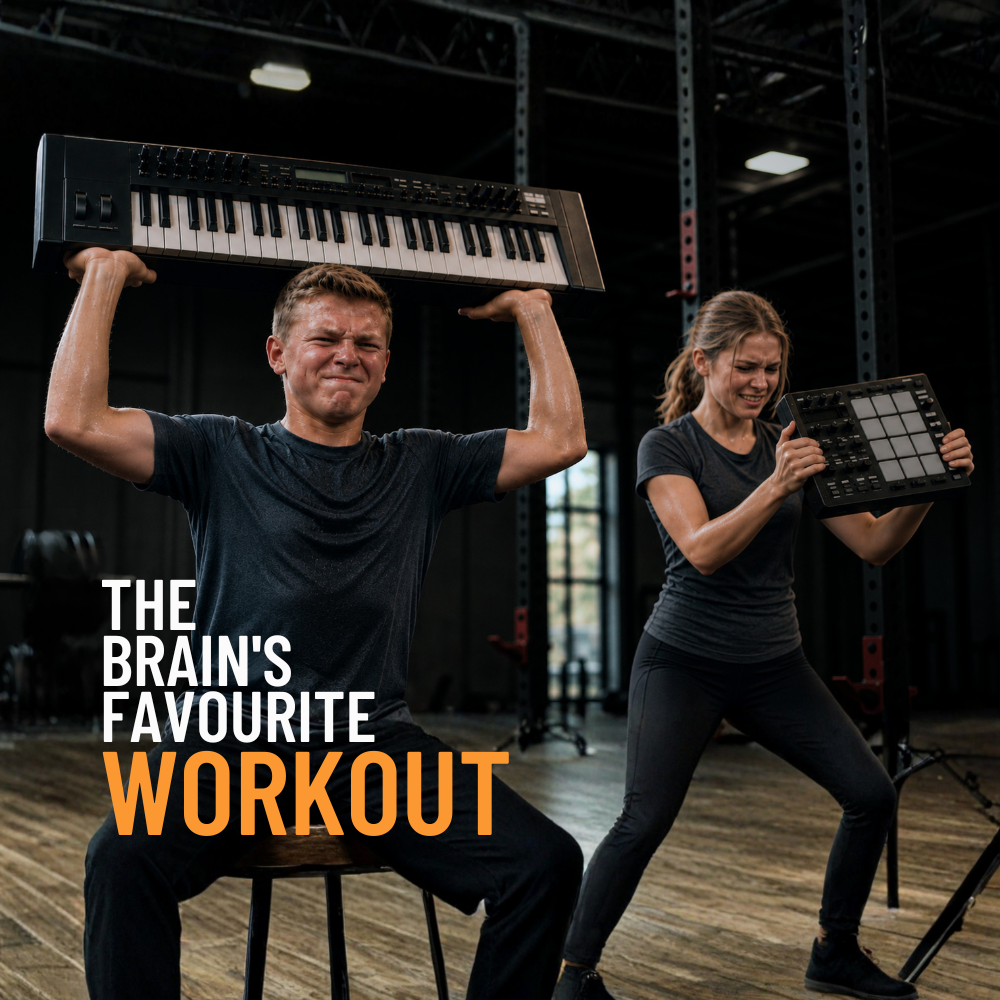
Neuroscientists often describe playing a musical instrument as a full-brain workout. When a student reads notation, their visual cortex fires. When they translate that into physical movement, their motor cortex engages. When they listen and self-correct, auditory processing centres activate. When they play with others, social and emotional processing lights up. And when they improvise or compose, the prefrontal cortex — the seat of executive function and creative thinking — works overtime.
A landmark study by Nina Kraus at Northwestern University demonstrated that musicians show significantly enhanced neural processing of sound compared to non-musicians — a difference that shows up not just in music-related tasks but in language processing and reading comprehension. The years of listening, adjusting, and refining that instrumental learning demands appear to reshape the auditory system in lasting ways.
Cognitive benefits that transfer beyond music
The most compelling argument for music in schools isn't that it produces better musicians — it's that it produces better learners. The research consistently shows transfer effects into other domains:
- Working memory: Holding musical phrases in mind while reading ahead, tracking multiple voices, and executing movement simultaneously is a sustained working memory workout. Studies consistently find that young musicians outperform peers on working memory tasks.
- Executive function: The self-monitoring required in practice — noticing an error, diagnosing its cause, isolating and fixing it, then reintegrating it — maps almost exactly onto the executive function skills associated with academic success.
- Phonological awareness: The ability to hear and manipulate sounds in language is strongly associated with reading ability, and musical training appears to sharpen this capacity, particularly in early childhood.
- Mathematical reasoning: Rhythm is applied mathematics. Time signatures, note values, and harmonic relationships all involve proportional thinking, and studies have found correlations between musical training and mathematical achievement — particularly in spatial-temporal reasoning.
Emotional and social development
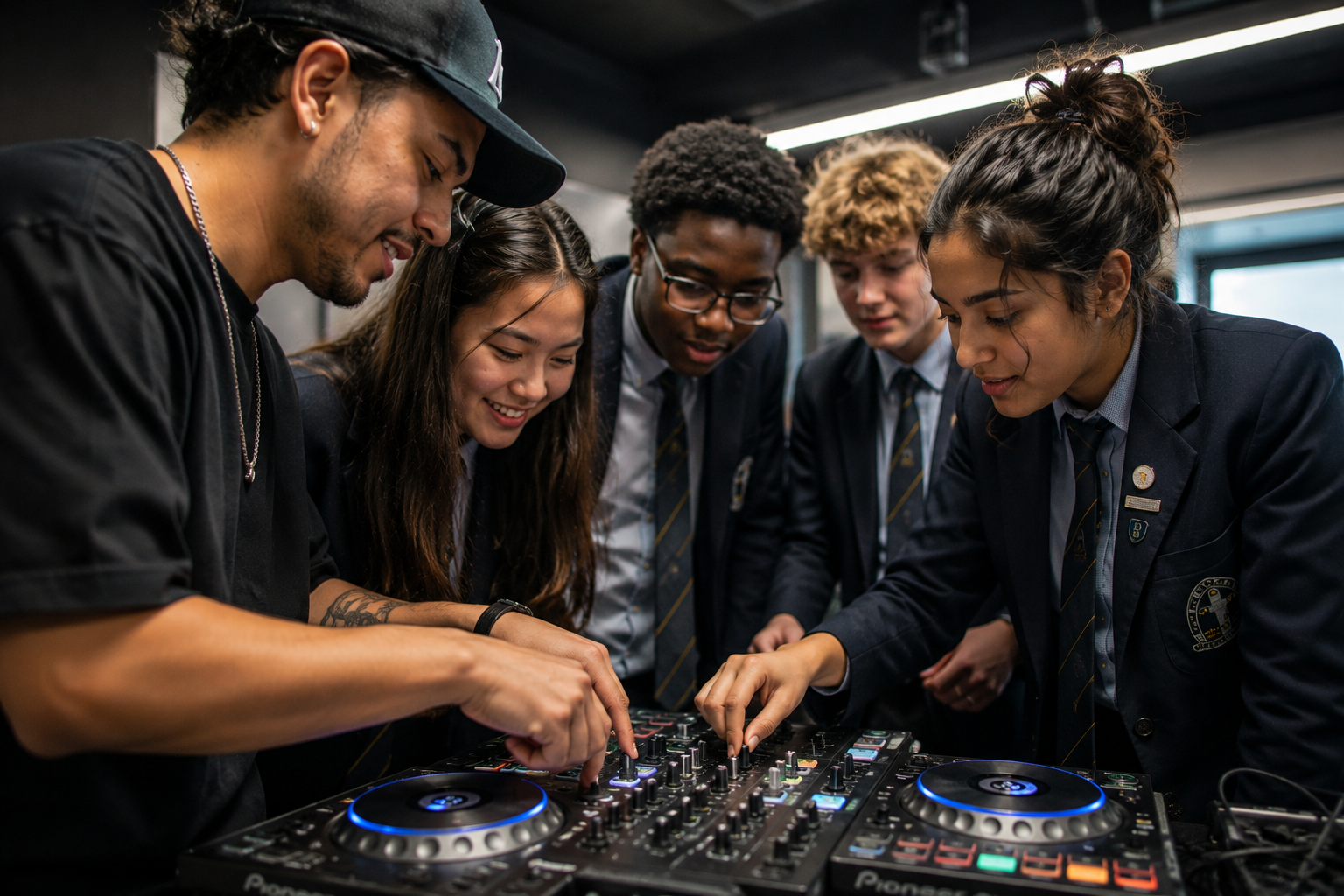
Cognitive benefits get the headlines, but the social and emotional outcomes of music education may be equally significant for student wellbeing. Ensemble playing — whether that's an orchestra, a band, or a classroom DJ group — requires students to listen actively to others, surrender individual ego to collective sound, and sustain focus over long periods of collaborative work. These are exactly the interpersonal skills that employers consistently identify as in short supply among young graduates.
There's also compelling evidence around music and emotional regulation. A 2022 study published in Frontiers in Psychology found that adolescents who engaged in regular music-making reported significantly lower levels of anxiety and higher levels of emotional self-efficacy, compared to peers who didn't. For schools navigating a post-pandemic landscape where student mental health is a genuine concern, this matters.
The technology angle: music production and modern learners
Much of the brain development research focuses on traditional instrumental learning, and that evidence base remains strong. But it's worth noting that music production and technology-based music-making appear to offer many of the same cognitive benefits, with the added dimension of digital literacy.
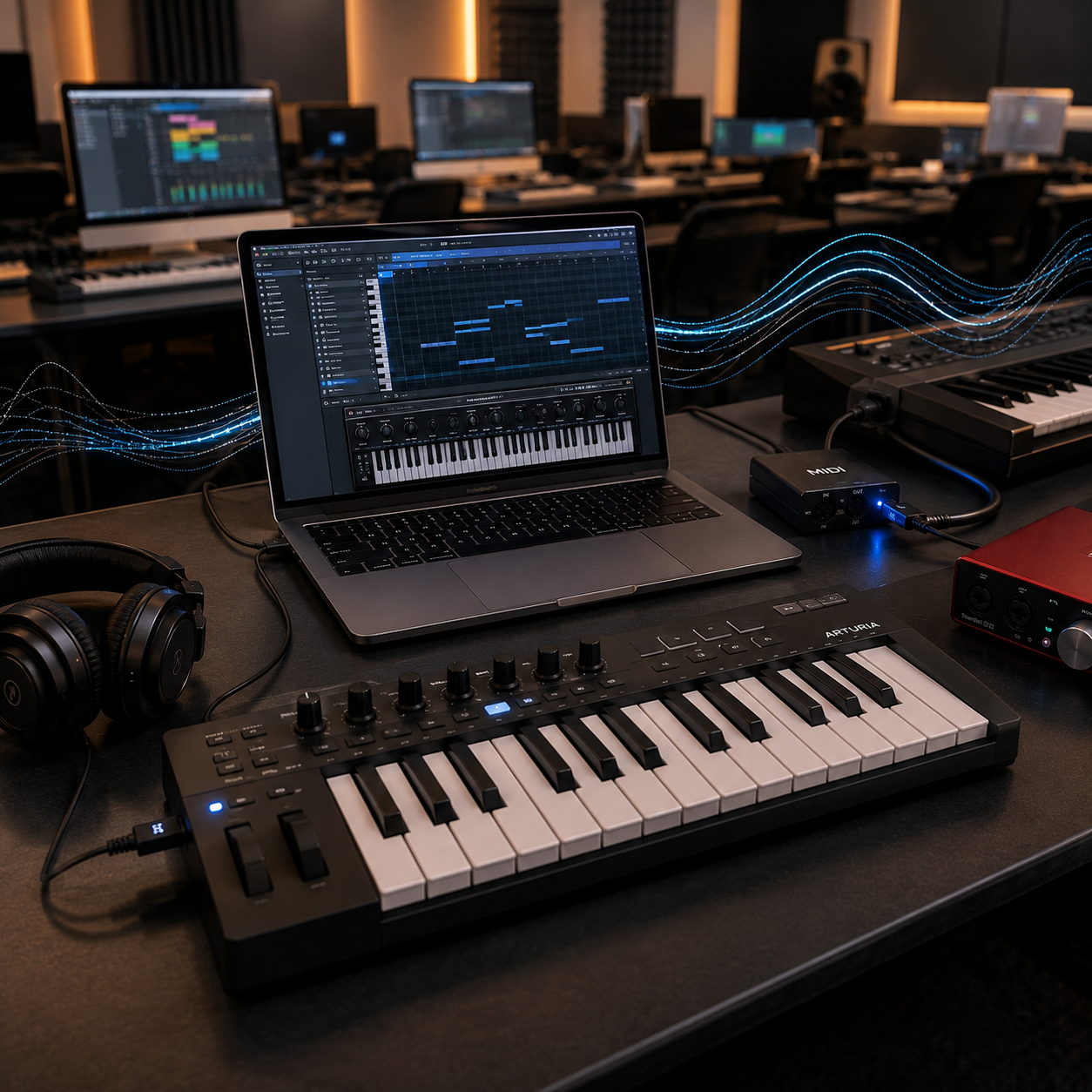
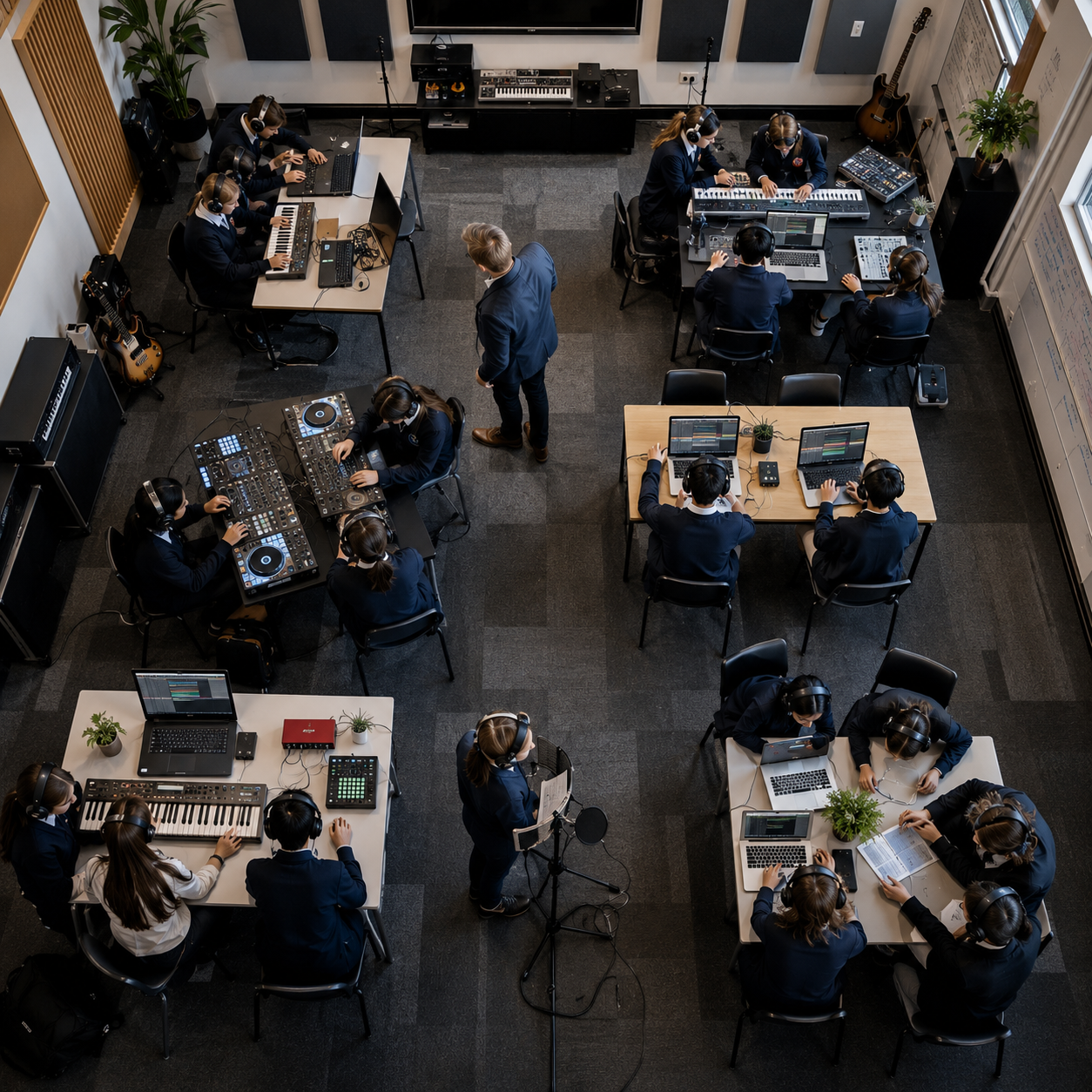
When a student programs a beat in a DAW, they're making hundreds of micro-decisions about timing, pitch, timbre, and structure. When they mix a track, they're developing fine auditory discrimination — the same neural circuitry that Kraus's research identifies as a marker of musical training. The instrument has changed. The cognitive demands haven't.
This matters enormously for engagement. Students who might never pick up a violin are often deeply motivated by music production, DJing, or composing game soundtracks. Meeting them where their interest already is doesn't compromise the cognitive outcomes — it makes them more accessible.
Making the case to your school community
The research is there. The transfer effects are documented. The social and emotional benefits are increasingly well evidenced. What music teachers often need isn't more data — it's help translating it into language that resonates with school leadership, parents, and curriculum coordinators who may be primarily focused on NAPLAN results and ATAR pathways.
The most effective argument isn't 'music is good for kids' in a general sense. It's specific: students who engage in sustained musical learning develop stronger working memory, better phonological awareness, more sophisticated executive function, and greater emotional resilience.
These aren't music outcomes. They're whole-person outcomes that happen to be delivered through music. That distinction is worth making clearly and often.
Like what you read?
You should see our curriculum.
It takes less than a minute to sign up for a Free Trial of The MusicEDU Suite. Your students will thank you for it.